

Teaching cybersecurity with real-life examples (and a free lesson to try)
Teaching cybersecurity with real-life examples (and a free lesson to try)
Teenagers are brilliant. They’re curious, bold, fast learners and often far more confident with technology than the adults around them.
They are also, developmentally, a bit wired for risk. Their brains are tuned for novelty, social connection and pushing boundaries. That’s how they learn who they are.

In a digital age, that same risk-taking can come with consequences they can’t see. Not because they are careless but because the online world is designed to move quickly and reward fast decisions.
Every student in your room already has a digital footprint. Some of them have bank cards, some have younger siblings borrowing devices, some are gaming with strangers, some are buying things through apps, some are sharing photos without thinking twice. They’re already navigating risk, even if they don’t have the vocabulary for it yet.
That’s why I don’t believe cybersecurity should be taught as a neat list of definitions to memorise. If we teach it in an abstract way, pupils can treat it like a piece of knowledge to regurgitate. They might learn what phishing is, then click the next dodgy link that lands in their inbox because the lesson never connected to a real moment.
Real-life examples change everything. They give pupils a reason to care, a mental model for spotting patterns and a calm confidence that says, “I can handle this.”
Why I refuse to teach cybersecurity as a list of definitions
Cybersecurity is full of terms that sound technical and distant. Malware. Social engineering. Two-step verification. Encryption.
If pupils only meet these words on a slide, they can treat the topic like another chunk of content to memorise, write down then forget.
And if we’re honest, that is what happens when we teach it in an abstract way.
What we actually want them to develop is a critical eye. We want pupils to pause, question, verify and make sensible choices without panic.
The problem with abstract teaching
When cybersecurity is taught as definitions and exam questions, three things tend to happen.
First, pupils memorise without understanding. They can repeat a definition but cannot apply it.
Second, pupils underestimate the relevance. They assume cyber crime is something that happens to adults, big companies or people who aren’t careful enough.
Third, pupils either become blasé or anxious. Some shrug and think it won’t happen to me. Others feel overwhelmed and start to believe the online world is terrifying.
Neither response is what we want.
We want students to develop a healthy scepticism and a calm confidence they can navigate the digital world safely.
Real-life examples build a critical eye without fear
Everyday examples give pupils something to hook onto.
A scam text that looks like a delivery message. A fake email that claims their account is locked. A social media message that uses flattery or urgency. A website that looks almost right but not quite.
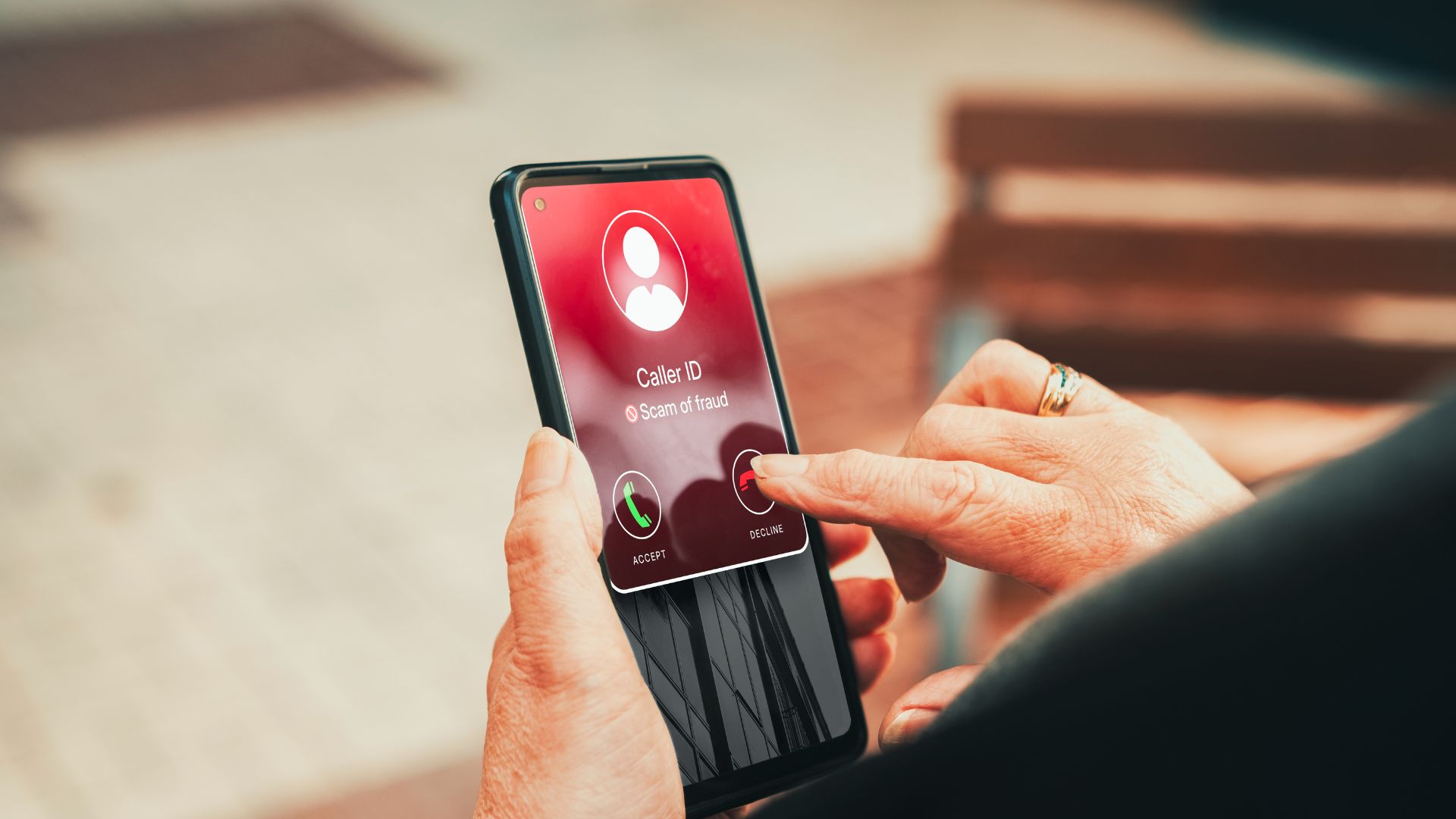
One thing I’m really careful about is not giving pupils outdated advice. Yes, spelling mistakes can be a red flag but lots of scams are now polished, well-written and designed to look completely normal. Some are copied from real organisations, some use branding and layouts that look convincing and some are generated quickly and convincingly with modern tools.
So, instead of teaching pupils to rely on “spot the spelling error”, we need to teach them to slow down and check what matters: who is really contacting them, what they are being pushed to do, what information is being requested and how they can verify it safely another way.
This is not about scaring them. It is about giving them practice.
A critical eye is a skill set, not a personality trait. Pupils can learn to:
Spot urgency and pressure tactics
Notice when something doesn’t quite add up
Check the source, not just the message
Understand what data is being requested and why
Use simple protective habits that reduce risk
When we ground cybersecurity in the real world, pupils start to see patterns. They realise scams change their outfits but not their strategy.
Technology will keep changing and the exact examples we use this year might look different next year. However, the underlying thinking will still protect them.
Teenagers take risks and that is normal
We need to remember that teenagers are not mini adults. They are still learning to weigh consequences. They are also socially driven, which means they are far more likely to click, share or reply if it helps them feel included, liked or in the loop.
Add in the fact that many parents are not aware of the latest scams, platforms or tactics and you have a perfect storm.
Pupils can end up carrying risks that the adults around them don’t even know exist.
So, we have to teach this properly. Not as a scare story, but as a life skill.
Cybersecurity is a life skill, not an optional extra
It is easy for pupils to think school is separate from life. They do school work then they go back to their real world.
Cybersecurity is one of those topics where that separation is dangerous.
If pupils leave us with nothing else, I want them to leave with the ability to protect their personal data, their money and their wellbeing.
That includes:
Knowing how to create and store strong passwords
Understanding why password reuse is risky
Recognising common scam formats
Thinking about what they share publicly
Knowing what to do if something goes wrong
These are skills they will use at 16, at 26 and at 46.
What real-life teaching looks like in the classroom
Real-life examples don't need to be dramatic. In fact, the everyday ones are often the most effective.
Here are a few ways to bring cybersecurity to life without turning the lesson into a doom scroll.
Use stories, not just facts
A short story gives context. It answers the question pupils rarely ask out loud, why should I care.
Stories can be:
A news article about a data breach
A local story about a scam going round your area
A fictional scenario that mirrors real tactics
A what would you do moment based on common messages
The key is to keep it age-appropriate and focused on choices, not fear.
Analyse real messages safely
Pupils love spotting what is wrong once they know what to look for.
You can show:
A fake delivery text
A phishing email screenshot
A dodgy pop-up warning
A social media message that uses flattery or urgency
Then guide them to identify the red flags. This is where the critical eye is built.
Teach the why behind the advice
Telling them "Do not click links" is not enough. Pupils need to understand what attackers gain.
When they understand the motive, they make better decisions.
How to teach cybersecurity in everyday life
This is a simple, low-prep way lesson where pupils should leave the room thinking, "this affects me" and "I can handle it".
Lesson overview
Objective
I can explain what cybersecurity is and identify why it matters to individuals, schools and businesses.
1) Make it personal straight away
Ask pupils to work in pairs to discuss what could happen if these were not protected:
Your password
Your phone
Your email account
School files
The school network
A teacher’s laptop
A business computer system
Customer information
Pupils are usually more honest and more engaged when they can talk it through first before sharing their ideas with the class.
2) Lock in the definition in a way that makes sense
Explain, that cybersecurity is about protecting people, data and systems.
And use a few well chosen questions to get them thinking a little more deeply about it “Why does cybersecurity matter to everybody and not just technology experts?”
3) Teach impact through real stories
This is where the lesson comes alive.
Use the Interserve phishing story first showing how one action can create a chain reaction.
Then use the KNP Logistics ransomware story. Again, the key is the impact on real people.

4) Card sort activity
Pupils work in pairs to read each card and sort it into the correct group.
Decide whether it belongs to the Interserve Group story or the KNP Logistics story. This is a brilliant activity for two reasons.
First, it forces them to read the cards carefully and make decisions.
Second, it naturally builds the habit we want in cybersecurity. Slow down, check details, do not assume.
5) Why protection matters
Explain that cybersecurity helps protect more than just computers, it helps protect safety, privacy, money, learning and trust in everyday life.
Pupils choose three actions to protect:
an individual
a school
a business
The key is the discussion. They must agree, justify and link the action to a problem it prevents.
Teacher prompts:
Which action gives the biggest protection for the least effort
Which action would you prioritise if time is limited
Which action protects more than one thing at once
You will get great debate here, especially if you push them to explain their reasoning.
This lesson will help pupils relate technology to real life and see how small actions can have big consequences. If you want this lesson you can download it for FREE here and use it with your classes. It includes:
A fully editable PowerPoint presentation
Lesson plan
Sorting activity
A practice exam question you can use with your GCSE classes
And if you try the free lesson, I would love to know how it goes. What did your pupils spot. What surprised them. What questions did it spark.
The unit I wish every pupil could have
This is just the first of a full 9 lesson unit that teaches cybersecurity through real-life stories and modern examples. It is designed for busy teachers who want lessons that feel relevant, engaging and genuinely useful.
The aim is simple. Pupils should leave the unit with practical habits and a sharper critical eye.
The lessons build from the basics into deeper thinking, always grounded in scenarios pupils recognise.
Find out about the complete cybersecurity unit here.
Teaching cybersecurity well is one of the most practical gifts we can give pupils. Not because it helps them pass an exam but because it helps them grow up in the modern world with confidence, caution and calm.

